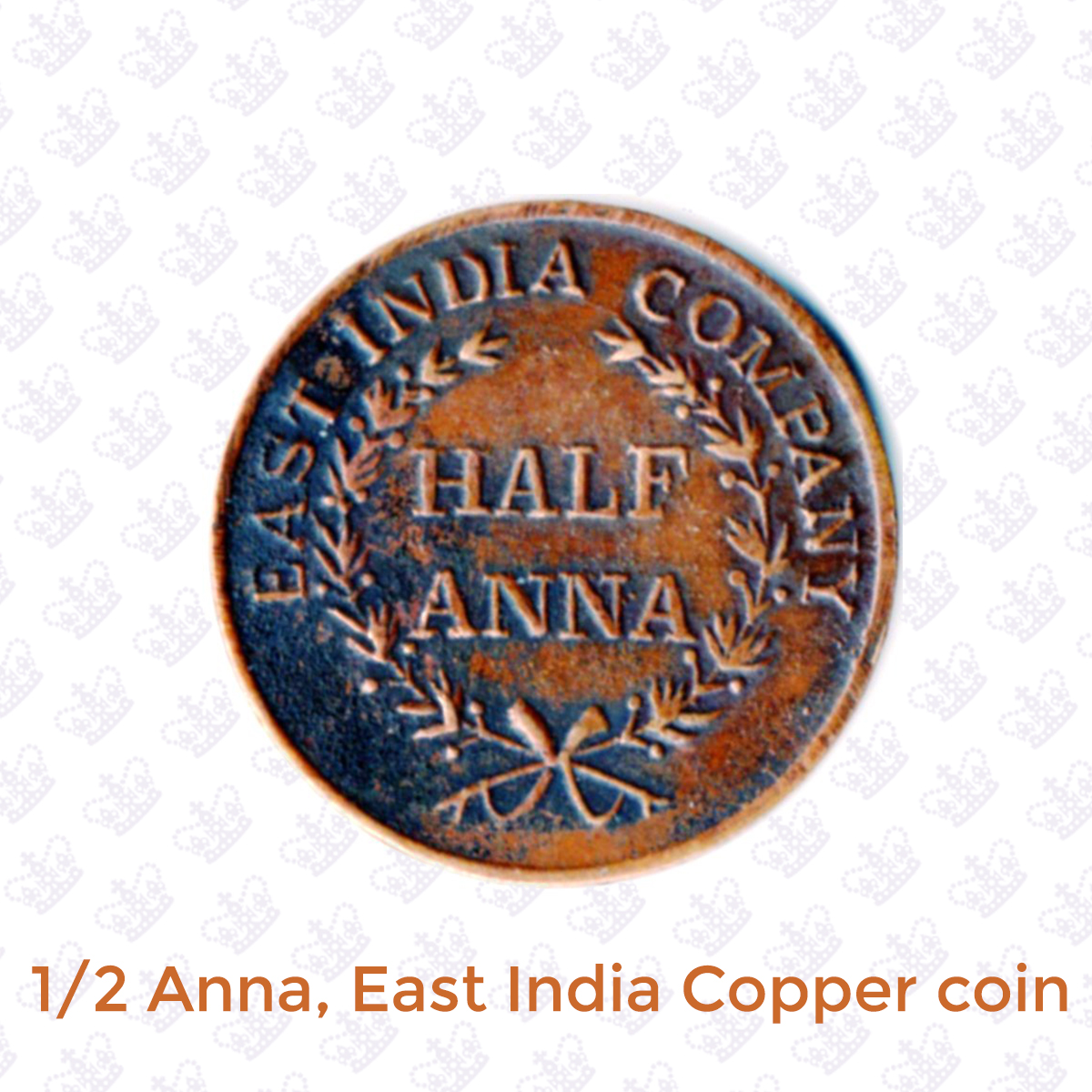
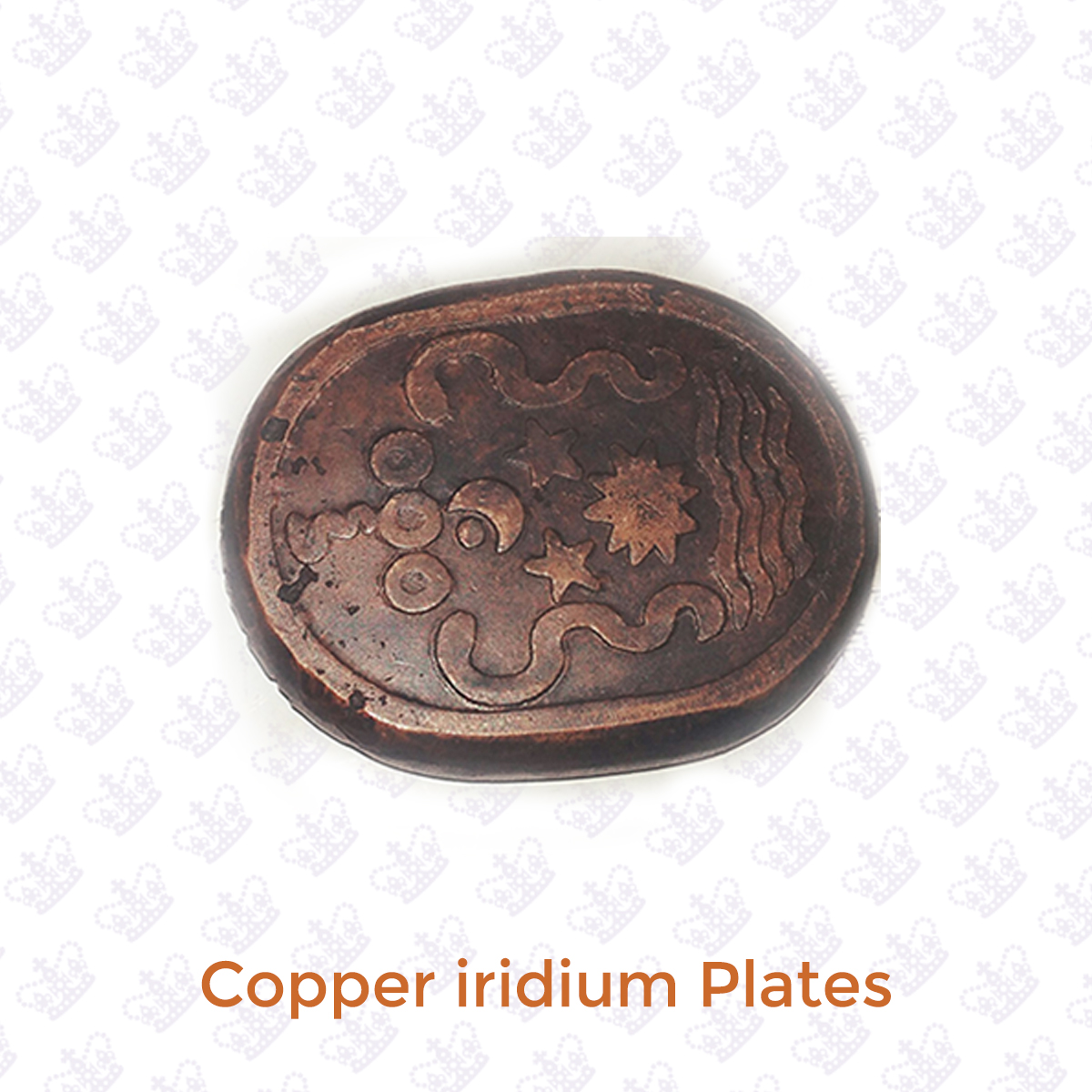
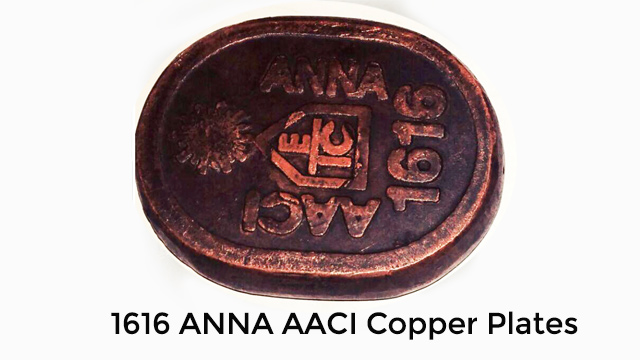
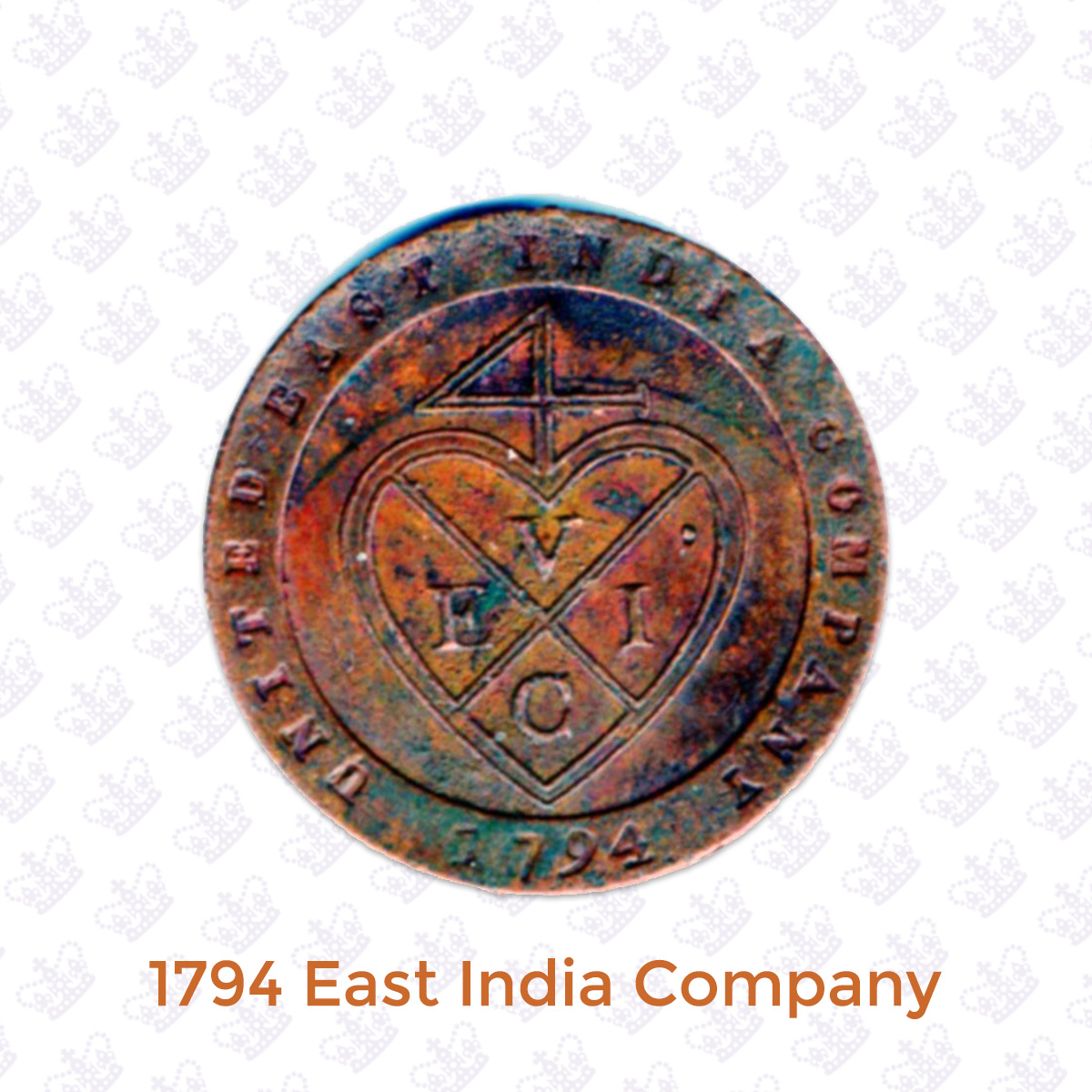
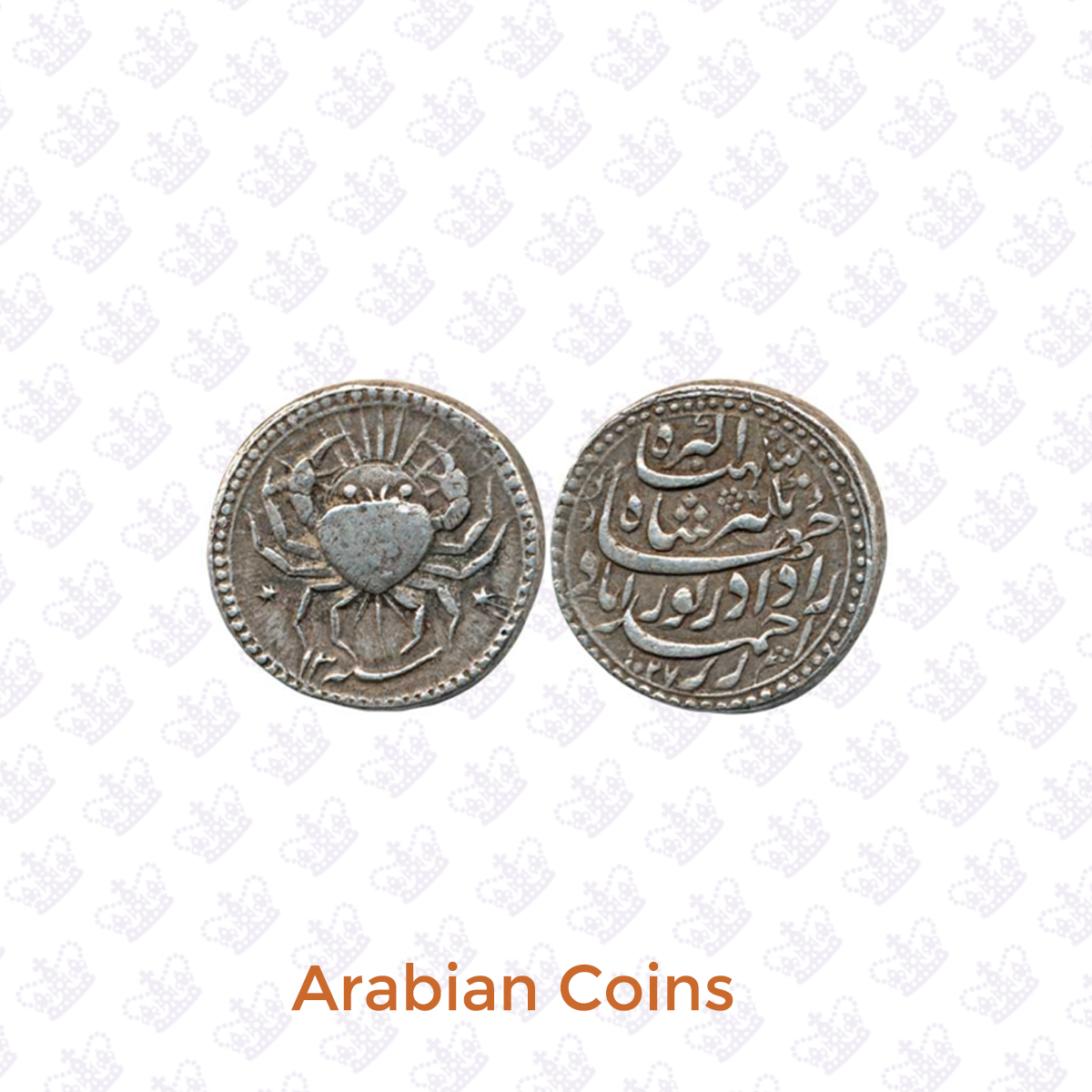
Copper Iridium coins are magical and powerful. They will stop a bus when carried in it by stopping ignition, but not when wrapped in a carbon paper. A candle flame bends towards this coin. When rice is brought near the coin, it gets attracted towards the coin. You can find an electric circuit tester indicating light when touched with, on the coin. Your electronic watch will stop when brought near this coin!
A device in Germany (details unknown) which cost / worth 1 million dollars absorbs power of the coin. The Copper Iridium coins called 1616 have three magical points, which disables entire power in any form near it. To test the coin, it costs 0.1 million dollar chemicals. The complete test can be done only in remote sea shores.
 
Facts about the 1616 Copper Iridium Coin

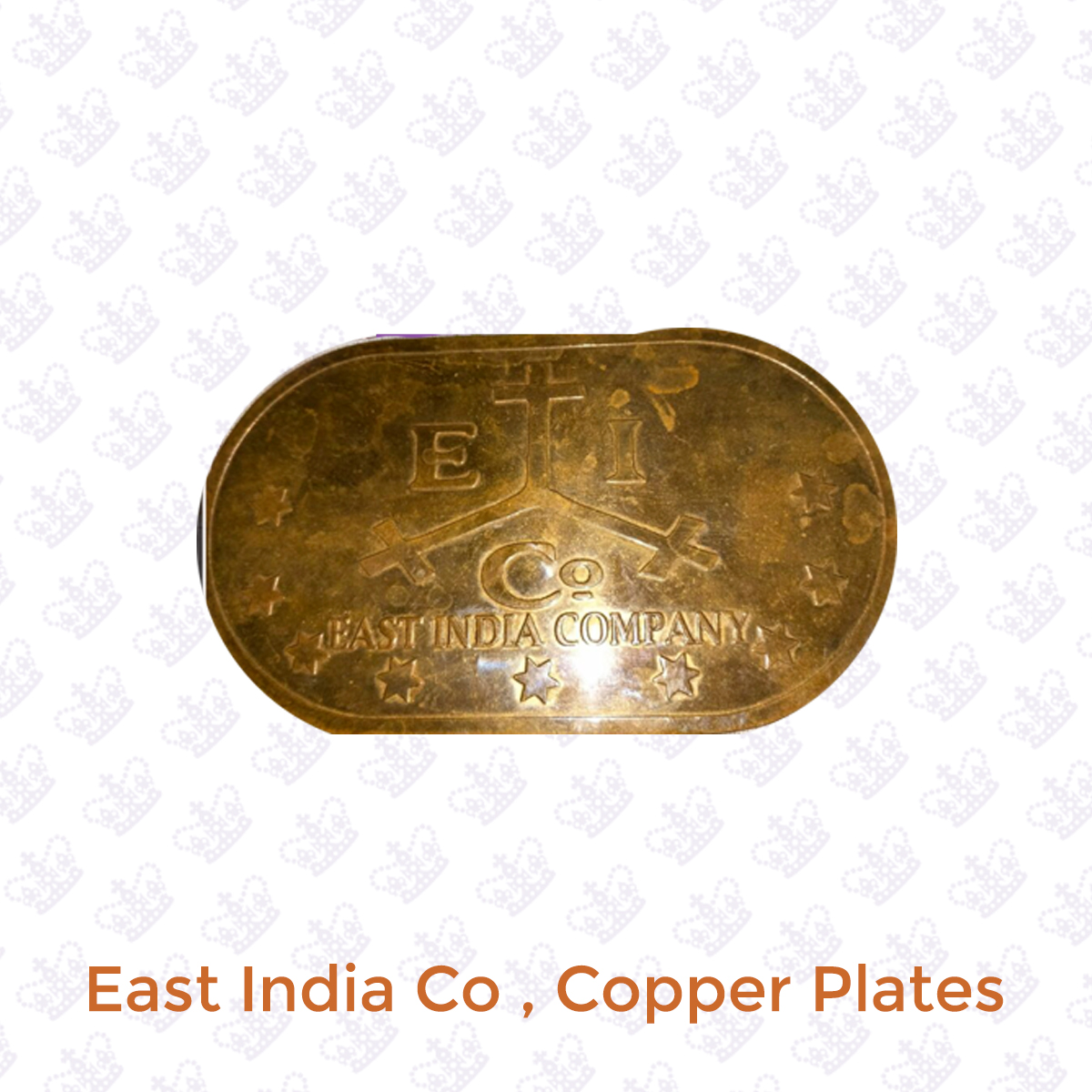
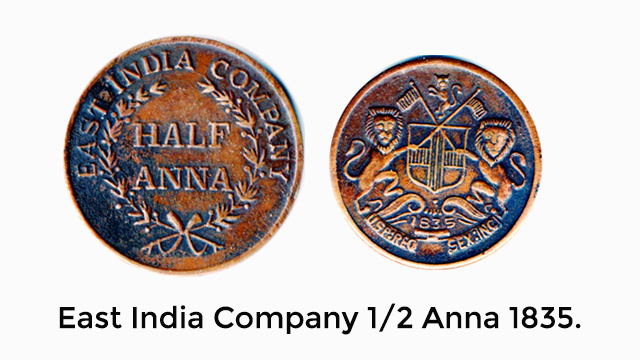
In 1603 AD, East India Company was formed in India, with establishments in various places, with head office in England. The company started minting coins to do business according to its new system.
In the year 1616 AD, there was a Grahakutami (A complete solar eclipse) which lasted for more than 5 hours in India. The Britishers, with the help of Indian Rishis minted Copper coins with Copper Iridium metal in assorted weights and sizes. The coins were hand made.


In 1803, British scientist Smithson Tennant (1761–1815) analyzed the insoluble residue and concluded that it must contain a new metal.

This most expensive  IRIDIUM metal HELP HANDLING & stabilize the radio active materials.

Numismatists worldwide are always in pursuit of coins that could change a man’s fate over night just with its value. Preserving such coins has been a hobby to many and passion to some. If you are one such person and aim to collect priceless and rare coins, you don’t need to look beyond your own country. Preserved in India’s rich history, is a set of coins that were developed by East India Company. Only produced 16 in number, these coins are valued in crores.

In India, these coins were first introduced by the East India Company in the year 1818. These coins were produced with the combination of Copper and Iridium. The metal Iridium is considered as the rarest metal found on earth. Iridium is white, resembling platinum but with a slight yellowish cast. This metal is hard, brittle and has very high melting point.

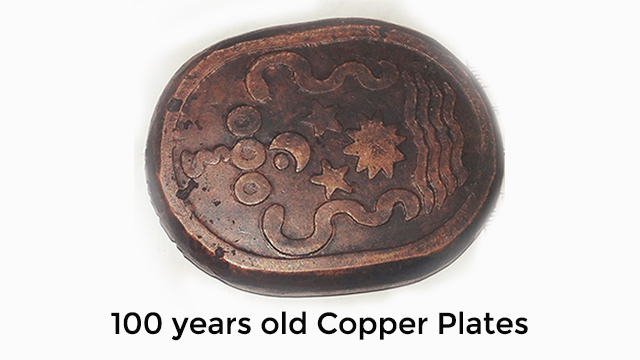
In the year 1603 AD, the East Indian Company was set up in India with its head office in England. In order to participate in commerce and trading, the British started minting coins according to their new system. It is during this time that these copper iridium coins were introduced. In the year 1616 AD, the British with the help of the Indian sages minted copper coins with copper iridium metal. These coins were handmade and have been engraved with the currency denomination prevalent on one side and the nine planets on the other side. They are also called as the Navagraha Lebbos (Greek word).

In India , these coins were first introduced by the East India Company in the year 1818. These coins were produced with the combination of Copper and Iridium. The metal Iridium is considered as the rarest metal found on earth. Iridium is white, resembling platinum but with a slight yellowish cast

Iridium is the chemical element with atomic number 77, and is represented by the symbol Ir. A very hard, brittle, silvery-white transition metal of the platinum family, iridium is the second-densest element (after osmium) and is the most corrosion-resistant metal, even at temperatures as high as 2000 °C.Iridium was discovered in 1803 among insoluble impurities in natural platinum.

The metal combined in these coins can be used to control extreme heat power. For example, it can be used to control the heat that is released during the rocket launch.” these coins and metals are used in Aero Space, Missile Technology and Numerous Scientific applications.