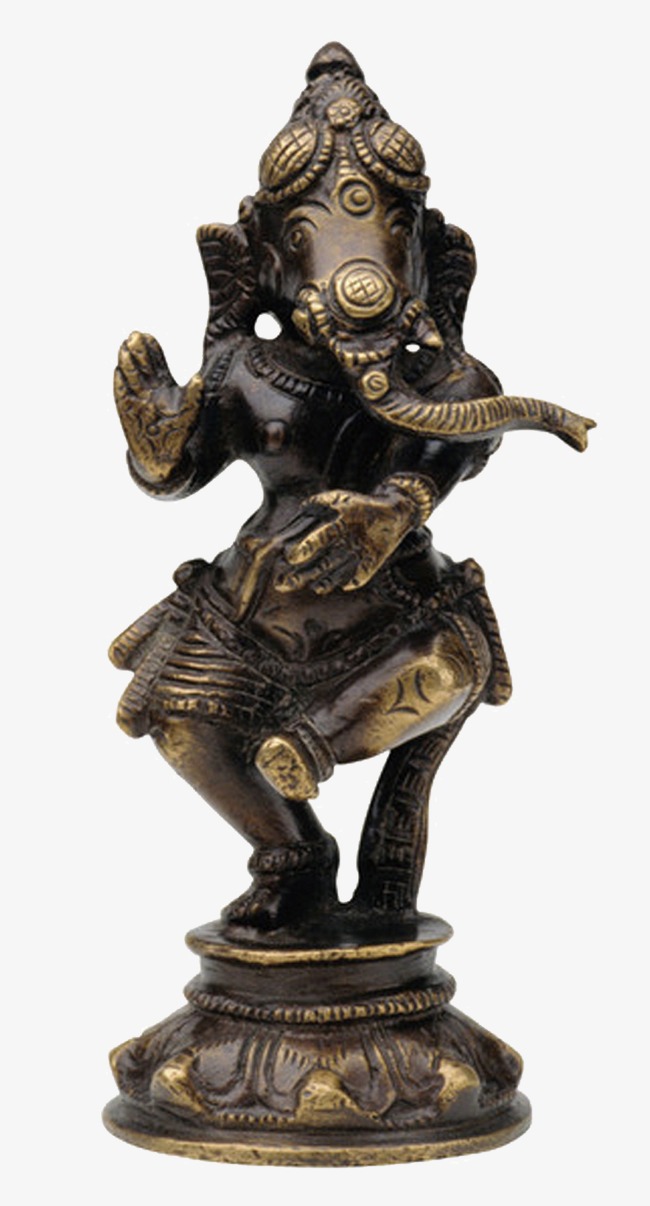
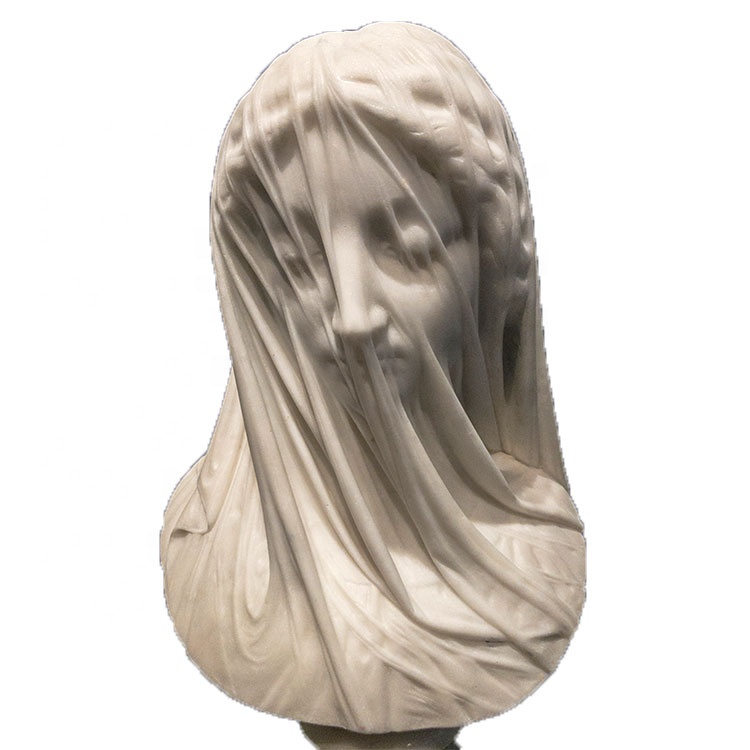
A statue is a free-standing sculpture in which the realistic, full-length figures of persons or animals or non-representational forms are carved or cast in a durable material such as wood, metal or stone. Typical statues are life-sized or close to life-size; a sculpture that represents persons or animals in full figure but that is small enough to lift and carry is a statuette or figurine, whilst one more than twice life-size is a colossal statue.
Statues have been produced in many cultures from prehistory to the present; the oldest-known statue dating to about 30,000 years ago. Statues represent many different people and animals, real and mythical. Many statues are placed in public places as public art.
Antiquity
Throughout history, statues have been associated with cult images in many religious traditions, from Ancient Egypt, Ancient India, Ancient Greece, and Ancient Rome to the present. Egyptian statues showing kings as sphinxes have existed since the Old Kingdom, the oldest being for Djedefre (c. 2500 BC). The oldest statue of a striding pharaoh dates from the reign of Senwosret I (c. 1950 BC) and is the Egyptian Museum, Cairo. The Middle Kingdom of Egypt (starting around 2000 BC) witnessed the growth of block statues which then became the most popular form until the Ptolemaic period (c. 300 BC).
The focal point of the cella or main interior space of a Roman or Greek temple was a statue of the deity it was dedicated to. In major temples, these could be several times life-size. Other statues of deities might have subordinate positions along the side walls.
The oldest statue of a deity in Rome was the bronze statue of Ceres in 485 BC. The oldest statue in Rome is now the statue of Diana on the Aventine.
For a successful Greek or Roman politician or businessman (who donated considerable sums to public projects for the honor), having a public statue, preferably in the local forum or the grounds of a temple was an important confirmation of status, and these sites filled up with statues on plinths (mostly smaller than those of their 19th-century equivalents).
The wonders of the world include several statues from antiquity, with the Colossus of Rhodes and the Statue of Zeus at Olympia among the Seven Wonders of the Ancient World.